- Tel: +86 13451474678 / 13451474678
- Email: / hbzinanmech@gmail.com


shaft price
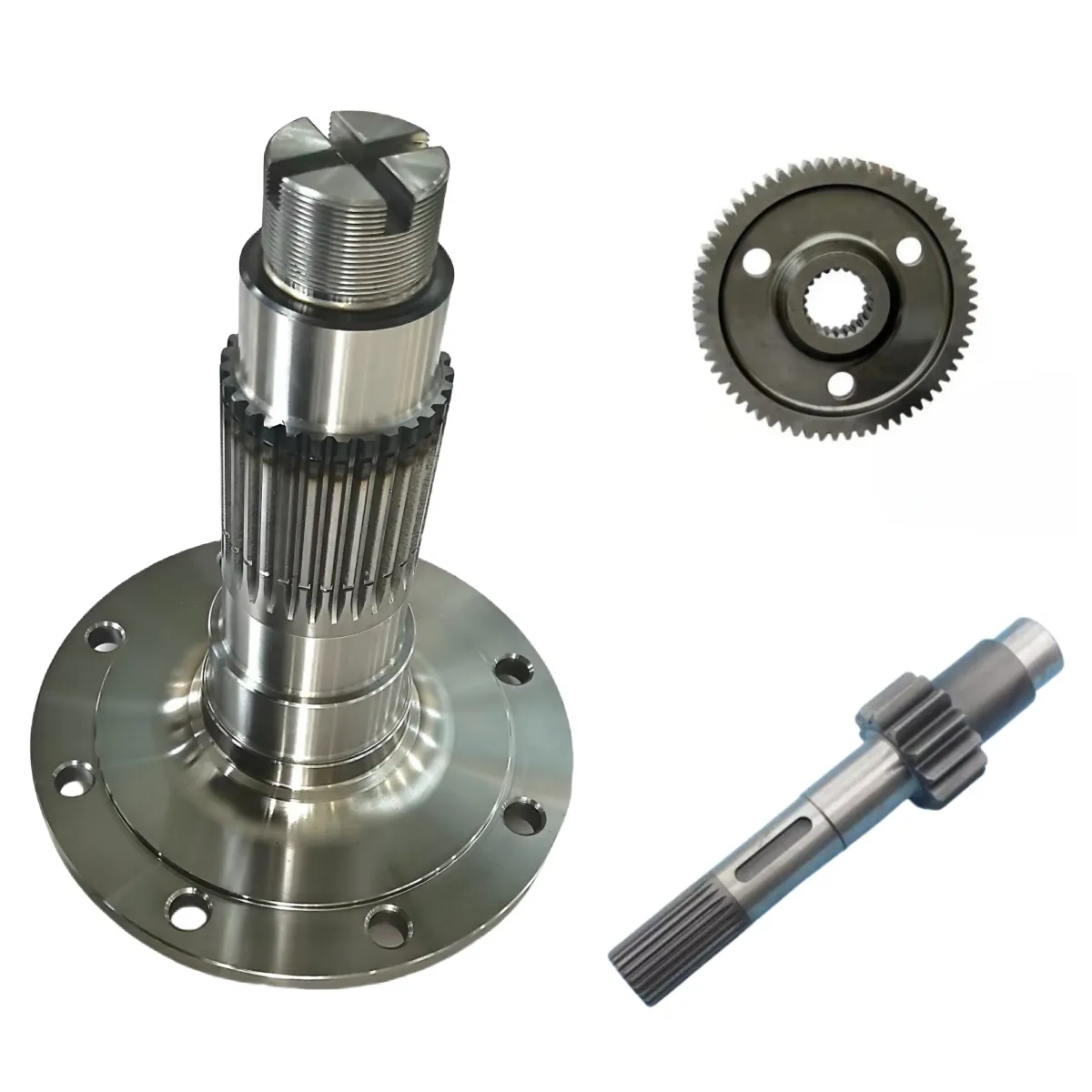
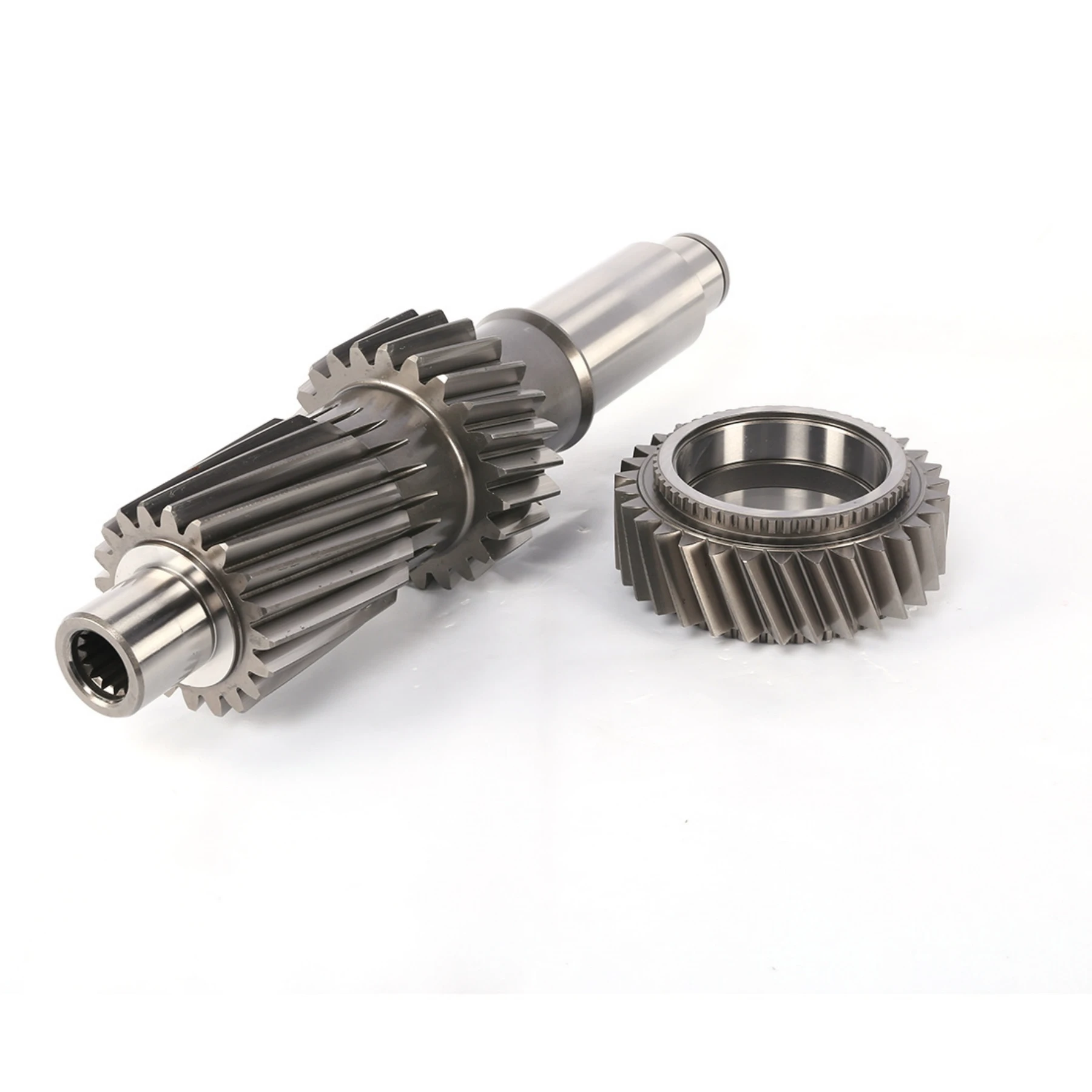
Understanding High-Performance Gear Shafts for Industrial Applications In the realm of industrial machinery, the integrity and performance of power transmission components are paramount. A high-quality gear shaft for sale is not merely a component; it is the linchpin of operational efficiency, reliability, and longevity in countless systems. These precision-engineered shafts are fundamental to transmitting rotational motion and torque, playing a critical role in gearboxes, motors, and various drive systems across heavy industries. This comprehensive guide delves into the technical intricacies, market dynamics, and strategic considerations for procuring optimal gear shaft solutions, addressing the needs of B2B decision-makers and engineering professionals. Our focus is on delivering insights that ensure not just procurement, but the acquisition of a strategic asset that enhances your operational capabilities and bottom line. We will explore material science, advanced manufacturing, rigorous testing, and real-world applications that define excellence in gear shaft technology, including complex gear shaft assembly and specialized gear shaft coupling solutions. Current Industry Trends in Gear Shaft Manufacturing The global market for industrial gear shafts is experiencing a dynamic evolution, driven by several key trends. Demand is intensifying for shafts that offer higher torque transmission in lighter, more compact designs, reflecting the broader industry push towards efficiency and miniaturization. Material science advancements are leading to the increased adoption of specialized alloys, such as high-strength low-alloy (HSLA) steels and advanced stainless steels, which offer superior wear resistance, fatigue strength, and corrosion resistance. Furthermore, the integration of Industry 4.0 principles is revolutionizing manufacturing processes, enabling greater precision through advanced CNC machining, automated inspection, and predictive maintenance capabilities. Material Innovation: Emphasis on materials like 42CrMo4, 34CrNiMo6, and various grades of stainless steel for enhanced durability and specific environmental resistances. Precision Manufacturing: Adoption of advanced five-axis CNC machining, precision grinding, and heat treatment technologies (e.g., induction hardening, nitriding) to achieve tight tolerances and superior surface finishes. Sustainability & Efficiency: Focus on designs that reduce energy consumption and extend service life, contributing to lower total cost of ownership (TCO). Digitalization: Use of CAD/CAM, finite element analysis (FEA) for design optimization, and integrated sensor technologies for real-time performance monitoring. These trends collectively ensure that a modern gear shaft for sale is not just robust but also technologically sophisticated, capable of meeting the stringent demands of contemporary industrial operations. Detailed Manufacturing Process of a High-Quality Gear Shaft The creation of a precision gear shaft for sale involves a multi-stage, meticulously controlled process to ensure optimal mechanical properties and dimensional accuracy. Each step is critical in contributing to the shaft's overall performance, service life, and adherence to international standards. 1. Material Selection & Sourcing The foundation of a superior gear shaft lies in the material. Common materials include alloy steels such as 42CrMo4, 34CrNiMo6, 17CrNiMo6, and various grades of stainless steel (e.g., 304, 316L) for corrosion resistance. Selection is based on required tensile strength, yield strength, impact resistance, and specific application environments (e.g., high temperature, corrosive media). Material certifications (e.g., EN, ASTM, JIS) are crucial to ensure quality and traceability. 2. Forging or Casting Forging: For high-stress applications, forging (open-die or closed-die) is preferred. This process refines the grain structure, eliminates porosity, and aligns the grain flow with the shaft's profile, significantly enhancing mechanical properties like fatigue strength and toughness. Casting: For more complex geometries or lower-stress applications, casting may be used. Advanced casting techniques minimize defects and ensure material integrity. 3. Rough Machining & Normalizing After forging/casting, the workpiece undergoes rough machining to remove excess material. Normalizing heat treatment follows, relieving internal stresses induced during forming and homogenizing the grain structure, preparing the material for subsequent processing. 4. CNC Precision Machining State-of-the-art CNC lathes, milling machines, and hobbing machines are used for precise shaping, turning, drilling, and cutting of gear teeth. This stage ensures exact dimensions, critical for creating an efficient gear shaft assembly . Tolerances typically adhere to ISO 2768-m or tighter, with surface finish requirements often reaching Ra 0.8-1.6 µm for bearing seats and critical surfaces. 5. Heat Treatment This is a critical stage for optimizing mechanical properties. Processes include: Quenching & Tempering: Enhances hardness and strength while maintaining ductility. Carburizing/Nitriding: Case hardening techniques to create a hard, wear-resistant surface while retaining a tough core, significantly extending service life. Induction Hardening: Localized hardening for specific wear areas, like splines or gear teeth. 6. Precision Grinding & Finishing After heat treatment, grinding machines achieve the final precise dimensions and surface finish, crucial for bearing surfaces and gear flanks. This step is vital for minimizing friction and maximizing efficiency and longevity, especially for a smooth gear shaft coupling . 7. Quality Control & Testing Rigorous testing ensures compliance with international standards (e.g., ISO 9001, ANSI/AGMA). This includes: Dimensional Inspection: CMM (Coordinate Measuring Machine) for highly accurate measurements. Non-Destructive Testing (NDT): Ultrasonic testing (UT), magnetic particle inspection (MPI), liquid penetrant testing (LPT) to detect internal and surface flaws. Hardness Testing: Rockwell, Brinell, or Vickers to verify heat treatment effectiveness. Mechanical Properties Testing: Tensile, impact (Charpy V-notch), and fatigue testing. Material Analysis: Spectroscopic analysis to confirm chemical composition. This comprehensive process guarantees that each gear shaft for sale meets stringent performance and reliability criteria. Typical service life for such meticulously manufactured shafts can range from 10 to 30 years, depending on application and maintenance. Technical Specifications & Parameters When evaluating a gear shaft for sale , precise technical specifications are critical for ensuring compatibility and optimal performance within your machinery. Below is a representative table outlining typical parameters for industrial gear shafts. Typical Gear Shaft Specifications Parameter Specification Range / Detail Material Grades 42CrMo4, 34CrNiMo6, 17CrNiMo6, C45, AISI 4140, AISI 4340, Stainless Steel (304, 316L) Shaft Diameter 20 mm to 1000 mm (customizable) Shaft Length 100 mm to 6000 mm (customizable) Gear Module (m) 1.5 to 30 (metric), or equivalent DP (diametral pitch) Gear Type Spur, Helical, Bevel, Worm, Spline Hardness (Surface) 58-62 HRC (Case Hardened), 28-32 HRC (Through Hardened) Surface Roughness (Ra) 0.8 – 1.6 µm (Grinding), 3.2 – 6.3 µm (Machining) Tolerance Grade ISO 2768-m, DIN 3962/67 (AGMA equivalent) Heat Treatment Quenching & Tempering, Carburizing, Nitriding, Induction Hardening Testing Standards ISO, ANSI, AGMA, ASTM, NDT (UT, MPI, LPT) These specifications underline the necessity for detailed engineering blueprints and close collaboration with suppliers to achieve the precise fit and function required for your applications. Understanding these parameters is crucial for selecting the correct gear shaft for sale to meet operational demands. Application Scenarios & Target Industries The versatility and robustness of industrial gear shafts make them indispensable across a wide spectrum of heavy industries. Their ability to efficiently transmit power and withstand extreme operational conditions positions them at the core of critical machinery. Petrochemical Industry: Used in pumps, compressors, agitators, and mixers where corrosion resistance and robust performance in harsh chemical environments are crucial. Our gear shafts offer enhanced longevity, reducing downtime in critical process units. Metallurgy & Mining: Essential components in rolling mills, crushers, conveyor systems, and heavy-duty gearboxes. The shafts must endure immense shock loads, abrasive conditions, and continuous operation, contributing to significant energy saving through reduced friction and improved transmission efficiency. Power Generation: Found in turbines, generators, and auxiliary systems (e.g., cooling pumps). High-precision gear shafts ensure stable power output and extended maintenance cycles. Water Supply & Drainage: Integrated into large-scale pump stations and filtration systems. Stainless steel options provide superior corrosion resistance against water and wastewater, ensuring reliable, long-term operation. Marine & Offshore: Critical for propulsion systems, winches, and deck machinery, where resistance to saltwater corrosion and extreme loads is paramount. Specialized alloys and coatings extend service life. Heavy Machine Tools: Utilized in gearboxes of large lathes, milling machines, and boring machines, providing the rigidity and precision necessary for high-accuracy machining operations. In these scenarios, the technical advantages, such as superior load-bearing capacity, reduced vibrational noise, and extended operational life, directly translate into improved productivity and lower operational costs. Whether it’s a standard gear shaft assembly or a custom design, the application dictates the engineering specifics. Technical Advantages and Performance Enhancements Investing in a high-quality gear shaft for sale offers distinct technical advantages that yield significant returns in industrial operations: Enhanced Durability & Service Life: Through advanced heat treatments (carburizing, nitriding) and material selection (alloy steels), gear shafts achieve exceptional surface hardness and core toughness. This significantly extends their operational life, reducing the frequency and cost of replacements. Superior Torque Transmission: Precision machining and optimized gear geometry ensure maximum power transfer efficiency, minimizing energy losses and enhancing overall system performance. This leads to quantifiable energy saving in high-power applications. Corrosion and Wear Resistance: For shafts operating in harsh environments, specialized coatings or the use of stainless steel and other corrosion-resistant alloys provide robust protection against chemical attack and abrasive wear. Reduced Vibration and Noise: High manufacturing precision, including tight runout tolerances and superior surface finishes, ensures smoother engagement of a gear shaft assembly , leading to reduced operational noise and vibration. This not only improves working conditions but also prolongs the life of adjacent components. Reliability Under Extreme Loads: Engineered to withstand peak loads and continuous heavy-duty operation, these shafts prevent premature failure, ensuring uninterrupted production and safeguarding against costly breakdowns. Ease of Maintenance and Integration: Designed for straightforward integration, our shafts simplify maintenance and reduce installation complexity, especially when working with standard gear shaft coupling mechanisms. These advantages highlight the critical role of engineering excellence in power transmission components, offering a tangible competitive edge. Vendor Comparison and Selection Criteria Choosing the right supplier for a gear shaft for sale is as crucial as the product itself. A strategic vendor partnership ensures access to expertise, consistent quality, and responsive service. Here’s a comparison framework to aid in your selection process: Key Vendor Comparison Factors Factor Standard Vendor Premium/Specialized Vendor (e.g., ZinAn Mech) Material Sourcing Generic steel, limited traceability. Certified, high-grade alloys (e.g., 42CrMo4, 34CrNiMo6) with full material traceability (mill certificates). Manufacturing Precision Standard CNC, tolerances meet basic industry needs. Advanced multi-axis CNC, precision grinding, tight tolerances (e.g., ISO Grade 6-7). Heat Treatment Options Basic quenching & tempering. Full suite: Carburizing, Nitriding, Induction Hardening, Quenching & Tempering for optimal mechanical properties. Quality Control & Certifications Basic in-house checks, maybe ISO 9001. Comprehensive NDT (UT, MPI, LPT), CMM inspection, full compliance with ISO, AGMA, ASTM, PED/CE. Customization Capability Limited to standard designs. Extensive engineering support for bespoke designs, material selection, and process optimization. Lead Time & Logistics Variable, potentially longer for custom. Streamlined production, reliable lead times, global shipping, urgent order capabilities. After-Sales Support Minimal or outsourced. Dedicated technical support, warranty, field service, spare parts availability. By carefully weighing these factors, B2B purchasers can identify vendors that offer not just products, but holistic solutions that align with their operational excellence goals. Our company, for instance, prides itself on over 20 years of experience and adherence to ISO/CE standards, serving major clients globally. Customized Solutions for Unique Industrial Needs Recognizing that off-the-shelf solutions often fall short of specific industrial demands, we specialize in providing bespoke gear shaft for sale options. Our engineering team collaborates closely with clients to develop custom designs that precisely match unique application requirements, operational environments, and performance objectives. Design Consultation: From initial concept to detailed CAD drawings and FEA (Finite Element Analysis) simulations, we optimize shaft geometry, tooth profiles, and material stress distribution. Material Engineering: Selection of exotic alloys or specialized heat treatments to withstand extreme temperatures, corrosive agents, or abrasive media. Precision Manufacturing: Tailoring machining processes, including specific grinding profiles for bearing seats or unique splines for a specialized gear shaft coupling . Integrated Assemblies: Capability to deliver fully integrated gear shaft assembly units, reducing installation complexity and ensuring seamless operation within existing systems. Prototyping & Testing: Provision of prototypes and comprehensive testing to validate custom designs against actual operating conditions before full-scale production. This commitment to customization ensures that our clients receive components perfectly suited for their challenges, leading to enhanced system performance, extended equipment life, and ultimately, a stronger competitive edge. Application Case Studies & Customer Successes Our extensive experience in the industrial sector is underscored by numerous successful partnerships and proven performance. These case studies exemplify our capability to deliver high-quality gear shafts that meet and exceed client expectations. Case Study 1: Enhanced Lifespan in a Steel Rolling Mill Client: Major Steel Producer in Asia Challenge: The client faced frequent failures of critical drive shafts in their hot rolling mill due to high shock loads and continuous operation in elevated temperatures. The average lifespan of existing shafts was only 18 months, leading to significant downtime and maintenance costs. Solution: We engineered a custom gear shaft for sale using 34CrNiMo6 alloy steel, enhanced with through-hardening and induction hardening on critical splines and gear teeth. Advanced gear geometry optimization minimized stress concentrations. Outcome: The implemented shafts demonstrated an extended service life of over 4 years, a 167% improvement. This resulted in a 60% reduction in annual maintenance costs for that specific production line and a 15% increase in overall equipment effectiveness (OEE). Case Study 2: Corrosion Resistance for Wastewater Treatment Client: Municipal Water Treatment Plant, North America Challenge: Shafts in large primary clarifier drives were experiencing rapid corrosion and wear due to exposure to aggressive wastewater chemicals and abrasive sludge, requiring costly replacements every 2 years. Solution: We provided bespoke stainless steel (316L) gear shafts, specifically designed with a high-integrity surface finish and a protective passive layer. The design also focused on an optimized gear shaft coupling interface to prevent crevice corrosion. Outcome: After 3 years of continuous operation, the shafts showed negligible signs of corrosion or wear. The client reported anticipated service life exceeding 8 years, significantly reducing operational expenditure and ensuring uninterrupted service for critical public infrastructure. "The custom gear shafts provided by ZinAn Mech have dramatically improved our operational reliability. Their technical expertise and commitment to quality have made a tangible impact on our bottom line." - Head of Engineering, Global Mining Corporation. Frequently Asked Questions (FAQ) What materials are typically used for industrial gear shafts? Common materials include alloy steels like 42CrMo4, 34CrNiMo6, 17CrNiMo6, AISI 4140, AISI 4340, and various grades of stainless steel (e.g., 304, 316L) for corrosion-resistant applications. Material selection depends heavily on the required strength, toughness, wear resistance, and environmental conditions. How do you ensure the quality and precision of a gear shaft for sale ? Our process includes stringent material selection with full traceability, advanced CNC machining, precision grinding, and various heat treatments. Quality control involves comprehensive dimensional inspection (CMM), non-destructive testing (UT, MPI, LPT), hardness testing, and mechanical property verification, all compliant with international standards like ISO and AGMA. Can you provide customized gear shaft solutions? Absolutely. We specialize in custom solutions, working closely with clients from design consultation (CAD/FEA) through material selection, specialized heat treatments, and precision manufacturing to meet unique performance and environmental requirements. This includes tailored gear shaft assembly and gear shaft coupling designs. What is the typical lead time for an order? Lead times vary depending on complexity, quantity, and material availability. For standard components, it can be 4-6 weeks. For highly customized or large-scale projects, lead times may range from 8-16 weeks. We provide clear projections and maintain transparent communication throughout the production cycle. What kind of warranty and after-sales support do you offer? We stand behind our products with a comprehensive warranty against manufacturing defects, typically ranging from 1 to 2 years, depending on the application. Our dedicated after-sales support team offers technical assistance, troubleshooting, and spare parts services to ensure long-term operational satisfaction. Lead Time, Fulfillment, Warranty & Support We understand the critical importance of timely delivery and unwavering support in B2B operations. Our commitment to operational excellence extends beyond product manufacturing to comprehensive service provision. Lead Time & Fulfillment: Our optimized production lines and robust supply chain management allow us to provide reliable lead times. Standard orders typically ship within 4-6 weeks, while complex custom projects are managed with detailed project plans, with delivery generally between 8-16 weeks. We maintain transparent communication regarding order status and logistics, ensuring on-time delivery globally. Warranty Commitments: Every gear shaft for sale is backed by an industry-standard warranty, typically 12-24 months from the date of installation or shipment, covering defects in materials and workmanship. Specific warranty terms are provided with each quotation, reflecting the application's unique demands. Customer Support & After-Sales Service: Our dedicated customer support team and technical engineers are available to provide assistance throughout the product lifecycle. This includes pre-sales consultation, technical guidance during installation, troubleshooting, and prompt supply of spare parts. We offer remote support and, when necessary, on-site technical assistance to minimize downtime and ensure continuous operation. Our adherence to ISO 9001 quality management systems and a long history of serving demanding industrial sectors underline our reliability and commitment to client satisfaction. Conclusion: The Strategic Importance of Quality Gear Shafts The selection of a high-quality gear shaft for sale transcends mere procurement; it is a strategic investment in the efficiency, reliability, and longevity of your industrial operations. By prioritizing advanced materials, precision manufacturing, rigorous testing, and comprehensive vendor support, businesses can significantly reduce operational costs, minimize downtime, and achieve superior performance in even the most demanding environments. Partnering with a specialized manufacturer ensures access to expertise that transforms a component into a core asset for your power transmission systems. Through robust design, meticulous production, and dedicated after-sales service, the right gear shaft becomes an indispensable element for sustained industrial success, whether as a standalone component or part of a complex gear shaft assembly . Authoritative References American Gear Manufacturers Association (AGMA) Standards. (n.d.). Retrieved from agma.org International Organization for Standardization (ISO). (n.d.). ISO 9001:2015 Quality Management Systems. Retrieved from iso.org ASM International. (n.d.). ASM Handbook, Volume 4: Heat Treating. Retrieved from asminternational.org Steel Times International. (2023). Advancements in Steel Production for High-Performance Components. Machine Design. (2022). The Future of Power Transmission: Key Trends and Technologies.
-
0YEARS IN THE FIELD
-
0 KEXPERIENCED STAFFS
-
-
-
0 kACCOMPLISHED PROJECT
-
0SATISFIED CLIENTS
-
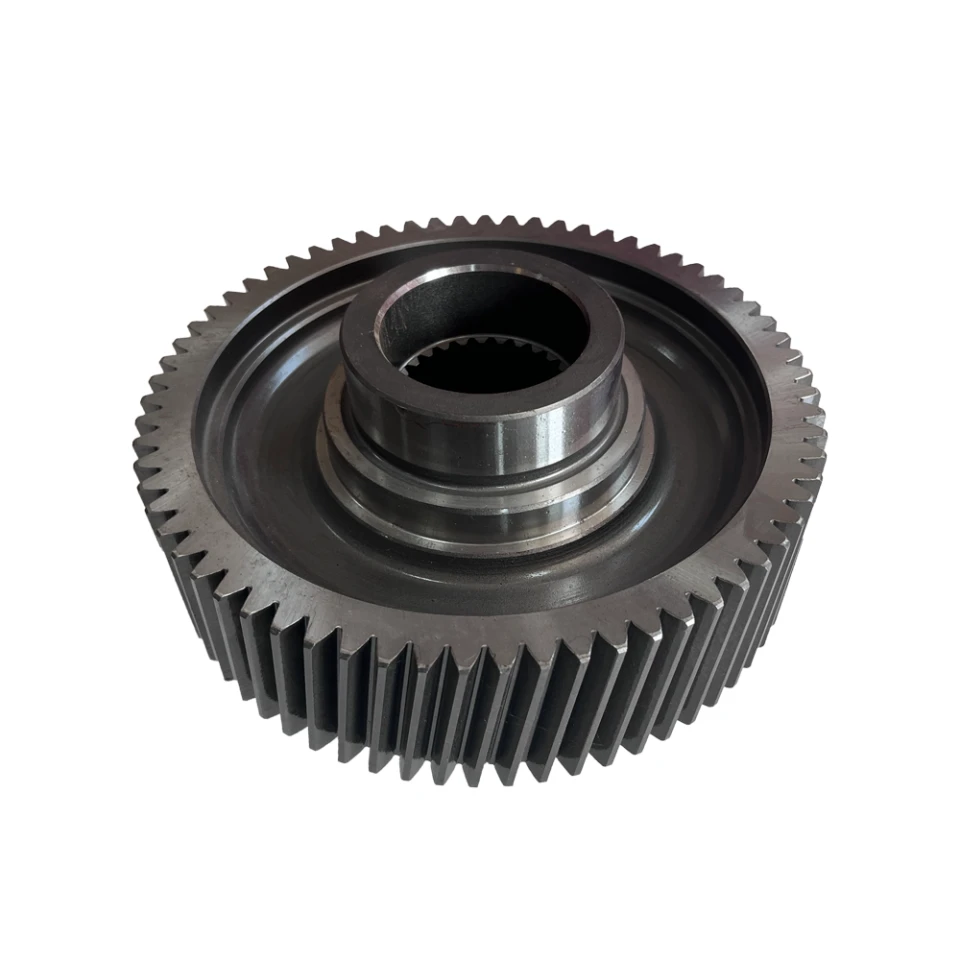
01The Application of Agricultural Machinery Gears In The IndustryAgricultural machinery gears are widely used in the agricultural machinery industry. In tractors, gears are applied to the transmission system. They can transmit the power from the engine to the wheels and achieve different speeds and torques through different gear combinations, so as to adapt to various working conditions such as plowing and transportation.
-
02Application of ComponentsIn agricultural machinery, the gearbox is mainly used to change the transmission ratio. Taking a tractor as an example, when the tractor needs to drive slowly in the field to cultivate the land and other operations, the gearbox can transmit the power of the engine through a lower transmission ratio, thereby outputting a larger torque to ensure that the agricultural machine has enough power to drive the agricultural implement for deep farming and other operations.
-
03Application of Agricultural MachineryField operations: Tractors are one of the most important power machines in agricultural production. In cultivated land operations, it can use powerful power to drive ploughshares to till the land by mounting ploughs to turn, break and level the soil, creating good soil conditions for sowing. For cultivator operations, it can mount cultivators to perform operations such as weeding, loosening and soil cultivation during crop growth to promote the growth of crop roots and nutrient absorption.
International layout
Spread all over the world
Our agricultural machinery products have won wide recognition and trust in the global market, and our sales network covers many countries and regions.

-
2026-04-04 21:37Durable Tine Seed Drill for Sale _ Versatile Seeding SolutionsDriving Agricultural Innovation: The Precision Seed Drill Landscape The global agricultural sector i>
-
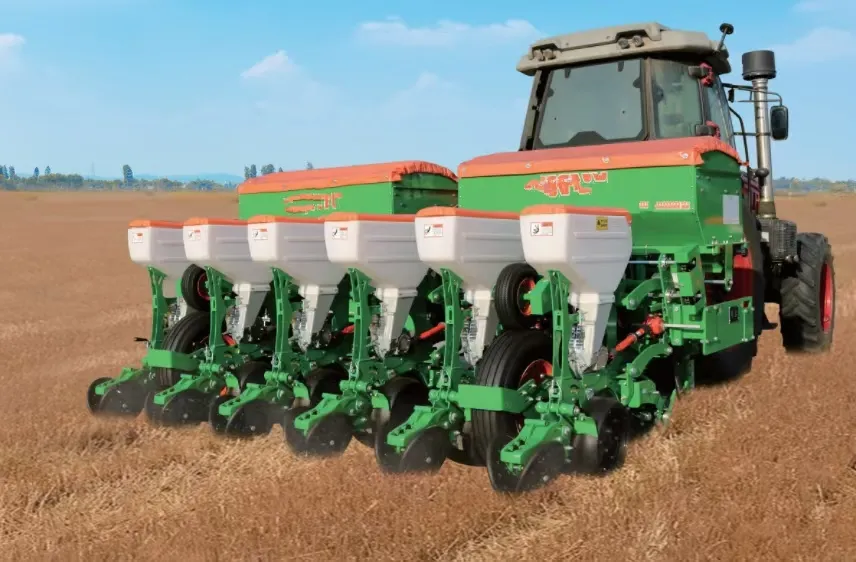
2026-04-04 21:25Air Suction No-Till Seeder - Zinan Technology _ Precision Planting&Soil ConservationThe Air Suction No-Till Seeder represents a significant advancement in agricultural technology, desi>
-
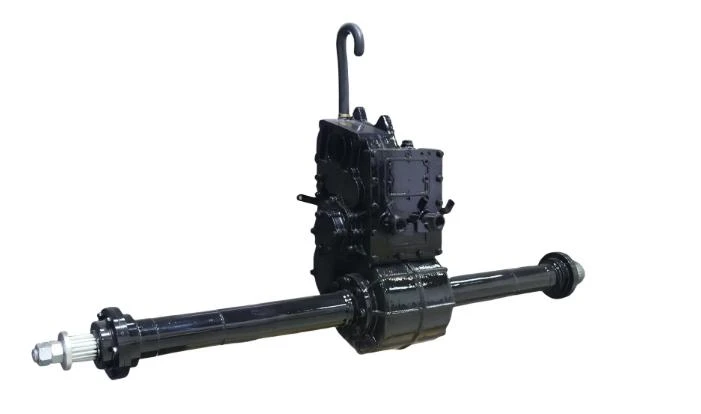
2026-04-04 21:13Precision Engineering in Agricultural and Mechanical ComponentsIn the intricate world of mechanical engineering, certain components play a crucial role in ensuring>
Sign up
for Newsletter
Subscribe to the weekly newsletter for all the latest updates